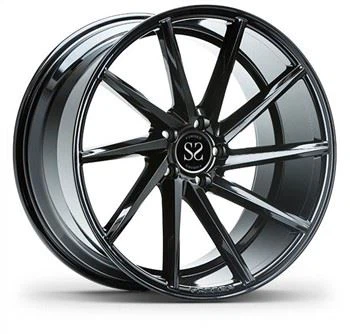
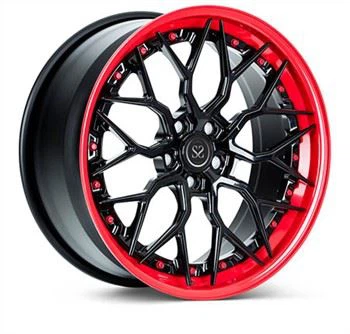
Installing rims on your vehicle can seem like an appealing DIY project, offering the potential for cost - savings and a sense of accomplishment. As a rims supplier, I've encountered numerous inquiries from customers eager to take on this task. In this blog, I'll delve into whether you can install rims by yourself, the factors to consider, and the steps involved.
The Feasibility of Self - Installation
Skills and Knowledge
The first and most crucial aspect is your mechanical skills and knowledge. Installing rims isn't merely about swapping out old wheels for new ones. You need to understand basic automotive concepts such as torque, wheel alignment, and tire pressure. If you've worked on your car before, changing oil, replacing brakes, or doing other minor repairs, you're off to a good start. However, if you're a novice in the automotive world, it might be a bit of a stretch to jump right into rim installation.
Tools Required
A proper set of tools is non - negotiable for rim installation. You'll need a jack to lift the vehicle safely, jack stands to support it while you work, and a lug wrench to remove and tighten the lug nuts. Additionally, a torque wrench is essential to ensure that the lug nuts are tightened to the manufacturer's specifications. Without these tools, attempting to install rims can be not only difficult but also dangerous. If you don't own these tools already, factor in the cost of purchasing or renting them when considering a DIY installation.
Safety Precautions
Safety should always be your top priority. When lifting a vehicle, make sure the jack is placed on a stable and solid surface. Jack stands should be positioned correctly and securely. Never work under a vehicle that is only supported by a jack. Wearing appropriate safety gear, such as gloves and safety glasses, is also a must. Any mistake during the installation process can lead to serious injuries, so it's important to be well - informed and cautious.
Steps for Self - Installation
Pre - installation Checks
Before you start the installation process, there are a few important checks to make. Ensure that the new rims you've purchased are the correct size and fitment for your vehicle. You can usually find this information in your vehicle's owner's manual or by consulting with a professional. Check the condition of the tires and make sure they are properly inflated. Also, inspect the brake components and the wheel hub to ensure there are no signs of damage or excessive wear.
Removing the Old Wheels
Park your vehicle on a flat and level surface. Engage the parking brake and, if possible, block the wheels that you're not working on. Use the lug wrench to loosen the lug nuts on the wheel you're going to remove, but don't fully remove them yet. Then, use the jack to lift the vehicle slowly until the wheel is about an inch or two off the ground. Place the jack stands under the vehicle's designated lift points and lower the vehicle onto the stands. Now, fully remove the lug nuts and take off the old wheel.
Mounting the New Rims
Place the new rim onto the wheel hub, aligning the holes for the lug nuts. Insert the lug nuts by hand and turn them until they are finger - tight. This will ensure that the rim is properly seated on the hub. Once all the lug nuts are in place, lower the vehicle off the jack stands using the jack. Before you completely remove the jack, use the torque wrench to tighten the lug nuts to the recommended torque specification. This is a critical step, as over - tightening or under - tightening the lug nuts can lead to problems such as wheel vibration or even the wheel coming off while driving.
Post - installation Checks
After installing all the new rims, check the tire pressure again and make sure it's at the correct level. Take a short test drive around a safe area, paying attention to any strange noises, vibrations, or handling issues. If you Notice anything abnormal, it's best to stop and re - check the installation.
Advantages and Disadvantages of Self - Installation
Advantages
One of the main advantages of self - installing rims is the cost savings. You won't have to pay for labor charges at a professional auto shop. It can also be a fun and rewarding experience, allowing you to learn more about your vehicle. If you enjoy working on cars, it gives you a sense of pride to see the finished result of your hard work.
Disadvantages
However, there are also some significant disadvantages. As mentioned earlier, the lack of proper skills and tools can lead to improper installation, which can pose a serious safety risk. Even if you think you've done everything correctly, there's a possibility that the wheels are not properly aligned, which can cause uneven tire wear and affect the vehicle's handling. Moreover, if something goes wrong during the installation and you damage the rims, tires, or other vehicle components, you may end up spending more money on repairs than you would have on professional installation.
Our Rims Offerings
As a rims supplier, we offer a wide range of high - quality rims to meet different customer needs. For example, we have the 6x139.7 (6x5.5) Custom Beadlock Rim Gloss Silver 18x8.5 For Tank 300, which is perfect for off - road enthusiasts. Its custom beadlock design provides extra security for the tires, and the gloss silver finish gives it a sleek and modern look.
If you're a fan of sports cars, our Ferrari F430 20x9 And 20x12 5 - Spoke Custom 1 Piece Forged Wheels Brushed are an excellent choice. These wheels are made from high - quality forged materials, offering both strength and style.
For truck owners, we recommend the Custom Silver 18 1 - PC Truck Wheels For Toyota Runner Off Road Wheels. These wheels are designed to withstand the rigors of off - road driving while enhancing the appearance of your vehicle.


Conclusion
So, can you install rims yourself? The answer is yes, but it depends on your skills, the availability of tools, and your willingness to take on the associated risks. If you're confident in your abilities and have the necessary equipment, self - installation can be a viable option. However, if you're unsure or lack experience, it's best to leave it to the professionals.
If you're interested in purchasing high - quality rims, we're here to assist you. We can provide expert advice on rim selection, fitment, and installation. Whether you need rims for a daily driver, an off - road vehicle, or a sports car, we have the perfect solution for you. Contact us for more information and let's start a discussion about your rim needs!
References
- Haynes Repair Manuals.
- Various vehicle owner's manuals.
- Industry publications on automotive maintenance and repair.