Navigating the challenges of hilly terrains is a feat that demands both skill and the right equipment, especially when it comes to 18 - wheel trucks. As a supplier of 18 - wheel components, I've witnessed firsthand how the performance of these massive vehicles in hilly areas is a complex interplay of various factors. In this blog, we'll delve into the intricacies of how 18 - wheel trucks handle in hilly areas, exploring everything from the physics at play to the importance of quality parts.
The Physics of Hill Climbing and Descending
When an 18 - wheel truck approaches a hill, the laws of physics come into full force. On an incline, the force of gravity acts against the truck's forward motion, requiring the engine to work harder to maintain speed. The weight distribution of the truck also plays a crucial role. A well - distributed load helps keep the wheels firmly on the ground, providing better traction. However, if the load is unevenly distributed, it can cause the truck to become unstable, especially on steeper slopes.
On the other hand, descending a hill presents its own set of challenges. Gravity now acts in the truck's favor, accelerating it down the slope. Without proper braking and control, the truck can quickly gain too much speed, leading to dangerous situations. This is where the braking system of the 18 - wheel truck becomes a critical component.
Braking Systems in Hilly Areas
The braking system of an 18 - wheel truck is designed to handle the extreme demands of hilly driving. Most trucks are equipped with air brakes, which use compressed air to apply pressure to the brake pads. This system is highly effective but requires regular maintenance to ensure optimal performance.
In hilly areas, continuous braking can cause the brakes to overheat, leading to a phenomenon known as brake fade. Brake fade reduces the braking power of the truck, making it difficult to slow down or stop. To combat this, many trucks are equipped with auxiliary braking systems, such as engine brakes or retarders. Engine brakes work by using the engine's compression to slow down the vehicle, while retarders use electromagnetic or hydraulic forces to provide additional braking power.
As a supplier, we understand the importance of high - quality brake components. Our range of brake pads and rotors are designed to withstand the high temperatures and pressures generated during hilly driving. For example, our advanced ceramic brake pads offer superior heat resistance and longer lifespan compared to traditional brake pads.


Traction and Tires
Traction is another key factor in how 18 - wheel trucks handle in hilly areas. The tires are the only point of contact between the truck and the road, so their condition and type are crucial. In hilly terrain, tires need to provide sufficient grip on both wet and dry surfaces.
All - season tires are a popular choice for 18 - wheel trucks, as they offer a good balance of performance in various weather conditions. However, in areas with heavy snow or ice, winter tires may be necessary. These tires are designed with deeper treads and special rubber compounds to provide better traction in cold and slippery conditions.
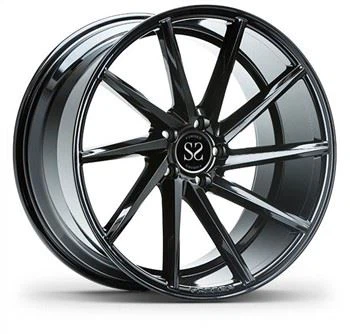
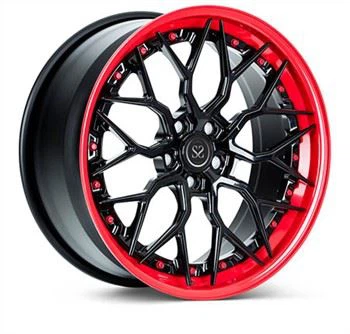
We offer a wide range of high - quality tires for 18 - wheel trucks. Our A6061 2 Piece Forged Rims For BMW Audi Mercedes Benz are not only stylish but also provide excellent support for the tires, enhancing overall traction and handling. Additionally, our 20x10.5 And 20x12 Gloss Yellow Barrel+Black Disc Custom 2 - PC Forged Rims For Nissan GT - R 20x10.5, 20x12 Gloss Yellow Bar are known for their durability and performance, making them a great choice for hilly driving.
Engine Performance
The engine is the heart of an 18 - wheel truck, and its performance is crucial in hilly areas. A powerful engine is needed to climb steep hills, while efficient fuel consumption is also important for long - distance hauls.
Modern 18 - wheel trucks are equipped with advanced engines that offer high torque and horsepower. These engines are designed to provide the necessary power to overcome the resistance of gravity on inclines. However, proper maintenance is essential to keep the engine running smoothly. Regular oil changes, filter replacements, and tune - ups can help ensure optimal engine performance.
As a supplier, we offer a range of engine components, including air filters, fuel injectors, and turbochargers. Our high - quality components are designed to improve engine efficiency and power, making it easier for 18 - wheel trucks to handle hilly terrain.
Suspension Systems
The suspension system of an 18 - wheel truck plays a vital role in providing a smooth and stable ride, especially in hilly areas. It helps to absorb the shocks and vibrations caused by uneven road surfaces, keeping the truck balanced and reducing wear and tear on the tires and other components.
A well - designed suspension system can also improve traction by keeping the wheels in contact with the road. In hilly areas, where the road surface can be rough and uneven, a good suspension system is essential for safe and comfortable driving.
We supply a variety of suspension components, including shock absorbers, springs, and sway bars. Our Volvo XC90 B5 2021 20x9.0 Custom 2 - PC Rims Polished Lip+Silver Disc are designed to work in conjunction with our suspension components, providing a complete solution for hilly driving.
The Importance of Driver Skill
While the quality of the truck's components is important, the skill of the driver also plays a significant role in how an 18 - wheel truck handles in hilly areas. Experienced drivers know how to anticipate the challenges of hilly terrain and adjust their driving style accordingly.
For example, when climbing a hill, a skilled driver will downshift to a lower gear to increase the engine's torque and maintain a steady speed. On a descent, they will use a combination of engine brakes and regular brakes to control the truck's speed without overheating the brakes.
Driver training programs can also help improve the safety and performance of 18 - wheel trucks in hilly areas. These programs teach drivers about the physics of hill driving, the proper use of braking systems, and how to handle emergencies.
Conclusion
In conclusion, how 18 - wheel trucks handle in hilly areas is a complex issue that involves a combination of factors, including physics, component quality, and driver skill. As a supplier of 18 - wheel components, we are committed to providing high - quality products that enhance the performance and safety of these vehicles in hilly terrain.
Whether you're a trucking company looking to upgrade your fleet or an independent driver in need of replacement parts, we have the expertise and products to meet your needs. If you're interested in learning more about our products or have any questions about how to improve the handling of your 18 - wheel truck in hilly areas, we encourage you to contact us for a detailed discussion and procurement negotiation.
References
- "Heavy Truck Handbook" by Bosch
- "Commercial Vehicle Engineering" by G. M. M. Reddy
- Various research papers on heavy - duty vehicle dynamics and performance in hilly terrains.