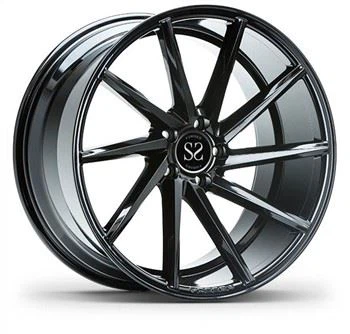
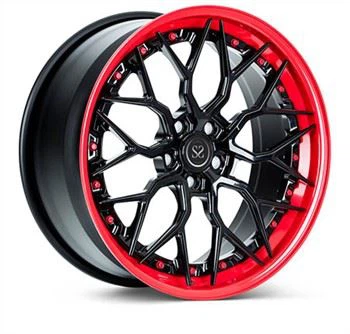
In the dynamic world of automotive customization and high - performance enhancements, rims play a pivotal role. They are not just aesthetic add - ons but also significantly impact a vehicle's handling, performance, and overall driving experience. As a rims supplier, I've witnessed firsthand the evolution of rim materials and the increasing popularity of carbon fiber rims. In this blog, I'll delve into a detailed comparison between carbon fiber rims and other types of rims, exploring their characteristics, pros, and cons.
1. An Overview of Different Rim Materials
Before diving into the comparison, let's briefly look at the common types of rim materials available in the market.
Aluminum Alloy Rims
Aluminum alloy rims are perhaps the most widely used type of rims. They are made by mixing aluminum with other elements such as magnesium, silicon, or copper. These rims are known for their relatively lightweight nature compared to steel rims, which helps improve fuel efficiency, acceleration, and braking performance. Aluminum alloy rims also offer good corrosion resistance and can be easily cast or forged into various designs, making them popular for both stock and aftermarket applications.
Steel Rims
Steel rims are the traditional choice for many vehicles. They are incredibly durable and can withstand heavy loads and rough road conditions. Steel rims are relatively inexpensive to manufacture, which makes them a cost - effective option for budget - conscious consumers or vehicles used in harsh environments. However, they are significantly heavier than aluminum alloy and carbon fiber rims, which can have a negative impact on fuel economy and vehicle performance.
Carbon Fiber Rims
Carbon fiber rims are a relatively new entrant in the market but have quickly gained popularity among high - performance and luxury car enthusiasts. They are made from carbon fiber reinforced polymer (CFRP), which consists of carbon fibers embedded in a polymer matrix. Carbon fiber rims offer a unique combination of strength, stiffness, and extremely low weight, which can provide significant performance benefits.
2. Weight Comparison
One of the most significant advantages of carbon fiber rims is their extremely low weight. Carbon fiber is about 30% lighter than aluminum alloy and up to 50% lighter than steel. This reduction in unsprung weight (the weight of the components not supported by the vehicle's suspension) has several benefits.
When a vehicle has lighter rims, the suspension system can react more quickly to changes in the road surface. This results in better handling, improved traction, and a more comfortable ride. Lighter rims also reduce the rotational inertia, which means the engine doesn't have to work as hard to accelerate and decelerate the wheels. As a result, vehicles with carbon fiber rims can experience improved acceleration, braking performance, and fuel efficiency.
In contrast, steel rims are heavy, which can lead to increased fuel consumption and slower acceleration. Aluminum alloy rims are lighter than steel but still heavier than carbon fiber rims, so they offer some performance benefits but not to the same extent as carbon fiber.
3. Strength and Durability
Carbon Fiber Rims
Carbon fiber rims are incredibly strong and stiff. The carbon fibers in CFRP have a high tensile strength, which means they can withstand large amounts of pulling force without breaking. This makes carbon fiber rims resistant to impacts and bending. However, carbon fiber is more brittle than aluminum alloy and steel. A single severe impact can cause the carbon fiber to crack or delaminate, which may compromise the integrity of the rim.
Aluminum Alloy Rims
Aluminum alloy rims offer good strength and durability. They can withstand normal driving conditions and minor impacts without significant damage. However, they are more prone to denting and cracking compared to carbon fiber rims under heavy impacts. The strength of aluminum alloy rims can also vary depending on the manufacturing process (cast or forged) and the specific alloy composition.
Steel Rims
Steel rims are known for their exceptional durability. They can handle heavy loads, rough roads, and large impacts without major damage. Steel rims are less likely to crack or break compared to aluminum alloy and carbon fiber rims, making them a reliable choice for vehicles used in harsh environments.
4. Cost Comparison
Cost is an important factor when choosing rims.
Carbon Fiber Rims
Carbon fiber rims are the most expensive option on the market. The manufacturing process of carbon fiber rims is complex and labor - intensive, which drives up the cost. Additionally, the raw materials used in carbon fiber production are relatively expensive. As a result, carbon fiber rims can cost several times more than aluminum alloy or steel rims.
Aluminum Alloy Rims
Aluminum alloy rims are moderately priced. The cost of aluminum alloy rims can vary depending on the manufacturing process (cast rims are generally cheaper than forged rims), the design complexity, and the brand. Overall, they offer a good balance between cost and performance, making them a popular choice for a wide range of consumers.
Steel Rims
Steel rims are the most affordable option. Their simple manufacturing process and the relatively inexpensive raw materials result in a low - cost product. This makes steel rims a practical choice for budget - friendly vehicles or applications where cost is a major concern.
5. Aesthetics and Design
Carbon Fiber Rims
Carbon fiber rims have a unique and high - tech appearance that is highly desirable for many car enthusiasts. The visible carbon fiber weave pattern gives the rims a distinctive look that can enhance the overall appearance of the vehicle. Carbon fiber rims can also be customized with different finishes and colors to match the vehicle's style.
Aluminum Alloy Rims
Aluminum alloy rims offer a wide range of design options. They can be cast or forged into various shapes and styles, and they can be finished with different coatings such as chrome, painted, or machined. This allows consumers to choose a design that suits their personal taste and the look of their vehicle. For example, you can check out our 23x10.5 ET18/PCD 5x112/CB 66.6 Gloss Black Machined Face For Audi Q8, which showcases the beautiful design possibilities of aluminum alloy rims.
Steel Rims
Steel rims have a more utilitarian appearance. They are typically simple in design and are often used for their practicality rather than their aesthetics. However, some aftermarket companies offer steel rims with more stylish designs or finishes to make them more visually appealing.
6. Heat Dissipation
Carbon Fiber Rims
Carbon fiber has relatively poor heat dissipation properties compared to aluminum alloy. During braking, a significant amount of heat is generated, and it needs to be dissipated quickly to prevent brake fade. Since carbon fiber rims do not conduct heat as well as aluminum alloy rims, they may be more prone to overheating in high - performance driving situations.
Aluminum Alloy Rims
Aluminum alloy has good thermal conductivity, which means it can dissipate heat effectively. This is an important property for rims, especially in high - performance vehicles where the brakes generate a large amount of heat. Aluminum alloy rims can help keep the brakes cool, reducing the risk of brake fade and improving overall braking performance.


Steel Rims
Steel also has decent heat dissipation capabilities. While not as good as aluminum alloy, steel rims can still handle the heat generated during normal driving conditions. However, in high - performance or heavy - duty applications, steel rims may struggle to dissipate heat as efficiently as aluminum alloy rims.
7. Environmental Impact
Carbon Fiber Rims
The production of carbon fiber rims has a relatively high environmental impact. The manufacturing process of carbon fiber involves high - energy consumption and the use of chemicals. Additionally, carbon fiber is not easily recyclable, which means that at the end of its life cycle, carbon fiber rims may contribute to waste.
Aluminum Alloy Rims
Aluminum alloy rims have a lower environmental impact compared to carbon fiber rims. Aluminum is a highly recyclable material, and recycling aluminum requires only a fraction of the energy needed to produce new aluminum. Many aluminum alloy rims are made from recycled materials, which helps reduce the overall environmental footprint.
Steel Rims
Steel is one of the most recycled materials in the world. The production of steel rims also has a relatively low environmental impact, especially when using recycled steel. Steel rims can be easily recycled at the end of their life cycle, which makes them an environmentally friendly option.
8. Conclusion and Call to Action
In conclusion, carbon fiber rims offer significant performance benefits in terms of weight reduction and can provide a unique aesthetic appeal. However, they come with a high price tag, relatively poor heat dissipation, and a higher environmental impact. Aluminum alloy rims are a well - balanced option, offering good performance, a wide range of design choices, and a reasonable cost. Steel rims are durable, cost - effective, and environmentally friendly but may lack the performance and aesthetic appeal of the other two materials.
If you're in the market for high - quality rims, whether it's the sleek and high - performance R8 Gloss Silver Deep Concave Rims Forged Wheel For Customized For luxury Car or the budget - friendly yet reliable options, we have a wide range of products to meet your needs. Our team of experts can help you choose the right rims for your vehicle based on your driving style, performance requirements, and budget. Contact us today to start the procurement and negotiation process and take your vehicle to the next level.
References
- "Automotive Wheels: Materials, Design, and Performance" - SAE International
- "Carbon Fiber Reinforced Polymers in Automotive Applications" - Journal of Composite Materials
- "The Impact of Rim Material on Vehicle Performance" - Automotive Engineering Magazine