Troubleshooting a 17 - wheeled vehicle can be a complex yet rewarding process. As a supplier of 17 - wheeled vehicle components, I've encountered a wide range of issues and have developed effective strategies for diagnosing and resolving them. In this blog, I'll share some of the key steps and considerations when troubleshooting these large - scale vehicles.
Pre - Inspection Checks
Before diving into a detailed troubleshooting process, it's essential to conduct a preliminary inspection. Start by visually examining the vehicle's exterior. Look for any obvious signs of damage such as dents, scratches, or loose parts. Check the tires for proper inflation and wear. Uneven tire wear can indicate alignment issues or problems with the suspension system.
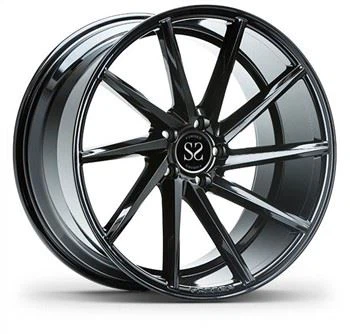
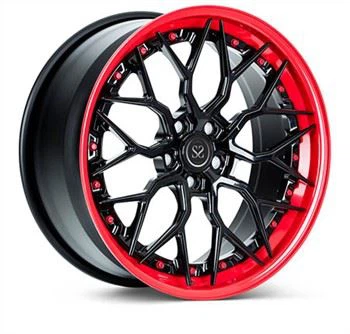
Inspect the wheels themselves. As a supplier, I offer a variety of high - quality wheels, including 2 - piece 20x10 Inch Aluminum Alloy Rims For BMW M6 Polished Golden Custom Forged Wheels, Black 21 Inch Customized 2 - PC Rims Wheels For Ferrari, and SSJK2117 Matt Black 2 - PC 19 20 21 And 22 Custom Bolt Style 5x112 5x130 Fit Luxury Cars Prosch 991 Audi RS6. Ensure that the wheels are properly mounted and that there are no signs of cracks or other structural damage. Loose wheel nuts can also be a serious issue, so make sure they are tightened to the manufacturer's specifications.
Electrical System Troubleshooting
The electrical system in a 17 - wheeled vehicle is complex and can be a common source of problems. Start by checking the battery. Ensure that the terminals are clean and tightly connected. A weak or dead battery can cause a variety of issues, from difficulty starting the engine to problems with the vehicle's electronics.
Use a multimeter to test the battery's voltage. If the voltage is low, it may need to be charged or replaced. Next, check the fuses and relays. A blown fuse can cause specific electrical components to malfunction. Refer to the vehicle's wiring diagram to locate the appropriate fuses and relays for the affected system.
Inspect the wiring harnesses for any signs of damage, such as frayed wires or loose connections. Faulty wiring can lead to intermittent electrical problems that are difficult to diagnose. If you find any damaged wiring, it should be repaired or replaced as soon as possible.
Engine and Transmission Issues
The engine and transmission are the heart of a 17 - wheeled vehicle, and problems in these areas can have a significant impact on performance. Start by checking the engine oil level. Low oil can cause excessive wear and damage to the engine. If the oil level is low, add the appropriate amount of oil and check for any leaks.
Inspect the coolant level as well. Overheating can cause serious engine damage, so it's important to ensure that the coolant system is functioning properly. Check for leaks in the radiator, hoses, and water pump. If the coolant level is low, top it off and look for the source of the leak.
When it comes to the transmission, listen for any unusual noises such as grinding or whining. These noises can indicate problems with the gears or bearings. Check the transmission fluid level and condition. Dirty or low fluid can cause shifting issues and increased wear.
Suspension and Steering Troubleshooting
The suspension and steering systems are crucial for the safety and handling of a 17 - wheeled vehicle. Start by checking the shock absorbers and struts for leaks or damage. Worn shock absorbers can cause a rough ride and poor handling. Inspect the suspension components such as control arms, ball joints, and tie rods for signs of wear or damage. Loose or worn components can lead to steering problems and uneven tire wear.
Check the power steering fluid level. Low fluid can cause difficulty steering, especially at low speeds. If the fluid is low, add the appropriate type of fluid and check for leaks in the power steering system.
Brake System Troubleshooting
The brake system is one of the most critical safety components in a 17 - wheeled vehicle. Start by checking the brake fluid level. Low fluid can indicate a leak in the brake system. Inspect the brake lines and hoses for any signs of damage or corrosion. Damaged brake lines can lead to a loss of braking power, which is extremely dangerous.
Check the brake pads and rotors for wear. Worn brake pads can cause a grinding noise and reduced braking performance. If the brake pads are worn beyond the recommended thickness, they should be replaced immediately.
Diagnostic Tools
In addition to the visual inspections and basic checks, diagnostic tools can be extremely helpful in troubleshooting a 17 - wheeled vehicle. On - board diagnostic (OBD) scanners can read error codes from the vehicle's computer system, which can provide valuable information about the source of the problem.


There are also specialized diagnostic tools for specific systems such as the engine, transmission, and electrical system. These tools can provide more detailed information and help pinpoint the exact cause of the issue.
Documentation and Record - Keeping
Throughout the troubleshooting process, it's important to keep detailed documentation. Record all the checks you've performed, any issues you've found, and the steps you've taken to address them. This documentation can be useful for future reference, especially if the same problem occurs again.
It can also be helpful to keep a maintenance log for the vehicle. This log should include details such as oil changes, filter replacements, and any major repairs. By keeping track of the vehicle's maintenance history, you can identify patterns and potential problems before they become serious.
When to Seek Professional Help
While many troubleshooting tasks can be performed by the vehicle owner or operator, there are times when it's necessary to seek professional help. If you're unable to diagnose the problem or if the problem requires specialized tools or expertise, it's best to take the vehicle to a qualified mechanic.
Professional mechanics have the experience and knowledge to handle complex issues and can often diagnose and repair problems more quickly and effectively than an amateur. They also have access to specialized equipment and diagnostic tools that may not be available to the general public.
Contact Us for Your 17 - Wheeled Vehicle Needs
If you're in the market for high - quality wheels or other components for your 17 - wheeled vehicle, we're here to help. Our team of experts can provide you with the right products and advice to keep your vehicle running smoothly. Whether you need new wheels or are having trouble with your vehicle, we're just a message away. Contact us to discuss your procurement needs and let's start the conversation today.
References
- Chilton, J. (2019). Automotive Repair Manual. [Publisher Name]
- Haynes, R. (2018). Complete Car Care Handbook. [Publisher Name]
- Society of Automotive Engineers (2020). Automotive Engineering Standards and Guidelines. [Publisher Name]