Choosing the right size rims for your vehicle is like finding the perfect pair of shoes for an outfit—it can significantly enhance the overall look and performance. As a rims supplier, I've seen firsthand how the right rim size can transform a car from ordinary to extraordinary. In this blog, I'll break down the factors you need to consider when deciding on rim size, and I'll also throw in some top - notch rim options we offer.
Understanding Rim Sizes
Let's start with the basics. Rim sizes are typically expressed in inches and are made up of two main measurements: diameter and width. The diameter is the distance across the center of the rim, and the width is, well, how wide the rim is from side to side. For example, a 18x8 rim means the diameter is 18 inches, and the width is 8 inches.
The Impact of Diameter
Bigger isn't always better when it comes to rim diameter. Larger diameter rims, say 20 inches or more, give your vehicle a more aggressive and sporty look. They can also improve handling because they allow for wider tires, which provide more grip on the road. However, there are downsides. Larger rims often mean smaller sidewalls on your tires. This can result in a harsher ride as the tires have less cushioning to absorb bumps.
On the other hand, smaller diameter rims, like 15 or 16 inches, offer a smoother ride because of the larger sidewalls. They're also generally lighter, which can improve fuel efficiency. But they might not give your car that high - end, eye - catching look that many of us desire.
The Role of Width
Rim width affects tire fitment and performance. A wider rim can accommodate wider tires, which, as I mentioned earlier, can improve grip. But if you go too wide, the tire might bulge on the sides, which can lead to uneven wear and handling issues. A narrower rim, on the contrary, can cause the tire to be too constricted, also affecting performance and safety.
Factors to Consider
Vehicle Type
The type of vehicle you have plays a huge role in determining the right rim size. For instance, a compact car like a Honda Civic might look and perform best with 16 - 18 - inch rims. These sizes are a good balance between ride comfort and aesthetics.
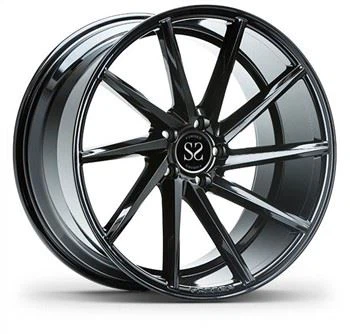
If you own a sports car, such as a Ferrari 296 GTB Gloss Black Custom Forged Aluminum Alloy Rims 20X9 And 20x11, you'll likely want larger rims to match its high - performance nature. The 20 - inch rims not only look great but also help with the car's handling at high speeds.


SUVs and trucks can handle larger and wider rims due to their size and weight. A full - size SUV might look awesome with 22 - inch rims, but you need to make sure they're compatible with the vehicle's suspension and braking systems.
Driving Conditions
Your driving conditions are another important factor. If you live in an area with rough roads, potholes, and uneven surfaces, smaller diameter rims with larger sidewalls are a better choice. They'll provide a more comfortable ride and are less likely to get damaged by road hazards.
If you're mostly driving on smooth highways and you're into high - speed driving or racing, larger diameter rims with high - performance tires can give you the edge you need.
Personal Style
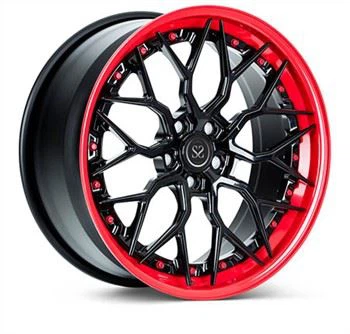
Let's not forget about personal style. Some people prefer the classic look of smaller rims, while others want their vehicle to stand out with large, flashy rims. It's all about what makes you happy when you look at your car. Maybe you're into a sleek, modern look, in which case a set of 20inch Black Machined Face Aluminum Wheels For Bmw Deep Concave Car Forged Rims would be perfect. Or perhaps you like a more unique color like satin bronze, and our SSJK1114 Forged Center Lock Rims Satin Bronze Fit To Porsche 991 GT3 could be your dream rims.
Compatibility Checks
Before you go ahead and buy a set of rims, you need to do some compatibility checks. First, check your vehicle's owner's manual. It should have information about the recommended rim sizes and offsets. The offset is the distance between the centerline of the rim and the mounting surface. A wrong offset can cause the wheels to rub against the vehicle's body or suspension components.
You can also use online fitment calculators. These tools take into account your vehicle's make, model, year, and other details to tell you which rim sizes are compatible.
Our Rim Offerings
As a rims supplier, we've got a wide range of options to suit different vehicles and preferences. Whether you're looking for a set of rims for a luxury sedan, a powerful sports car, or a rugged SUV, we've got you covered.
Our forged aluminum alloy rims are not only stylish but also highly durable. They're lighter than traditional steel rims, which can improve your vehicle's performance and fuel efficiency. And with a variety of finishes like gloss black, satin bronze, and black machined face, you can find the perfect look for your car.
Making the Decision
In the end, choosing the right rim size is a balance between aesthetics, performance, and practicality. You need to think about how you use your vehicle, where you drive, and what you want your car to look like.
If you're still unsure, don't hesitate to reach out to us. We've got a team of experts who can help you make the right decision based on your specific needs. Whether you're a car enthusiast looking to upgrade your ride or a regular driver wanting to add a bit of style, we're here to assist you.
Let's Talk Business
If you're interested in our rims, we'd love to have a chat with you. Whether you're a car owner looking for a single set of rims or a business in the automotive industry looking to place a bulk order, we're ready to discuss the details. Contact us to start the conversation about finding the perfect rims for your vehicle.
References
- "The Complete Guide to Wheel and Tire Sizing" by Tire Rack
- "Automotive Wheel Technology" by SAE International